Are you thinking about enhancing your lifestyle with a grander, more functional and more valuable home – without the hassle of moving? Sure, a new bedroom or sunroom extension could be less daunting than considering adding a bathroom to your house, but wouldn’t it be great? More privacy, no more morning queues and conflicts, and quite a bit more value. But before you take your project to add a bathroom to a house any further, you need to read on. But why?
Adding a bathroom to house: Industry professional tips
Be aware that adding bathrooms to houses is considered by even the most experienced experts as one of the most complex types of extensions bar none. That’s because of the intricate plumbing and electrical work, the need for ultra-precise space planning, and strict adherence to specific building codes and regulations including waterproofing!
So let’s navigate you through the general process of adding a bathroom to your house, ensuring you’re properly informed with a well-planned approach before embarking on such a transformative project:
1. Deciding the location
The first step is to determine where you’re putting that bathroom. Whether it’s converting an existing space or adding an ensuite to the side of the house, the location impacts plumbing complexity and can increase costs a great deal. Considerations like existing water lines and drainage systems, as well as the impact on the current floor plan, are vital in this decision-making process.
2. Understanding the cost
House extension costs like adding a bathroom vary widely based on size, materials, fittings, and labour, and are commonly underestimated. It’s therefore so crucial to have a realistic budget for this project upfront, considering both the immediate expenses and the long-term value it adds to your home. Factors such as the quality of fixtures, potential structural alterations and the level of customisation you want can significantly influence the final cost.
3. Evaluating costs vs benefits
While evaluating the cost to add a bathroom, don’t forget about the many benefits like increased property value, improved functionality and enhanced lifestyle, to mention just a few. A well designed bathroom can be a true sanctuary in your home, so it’s difficult to weigh it up purely in monetary terms. Additionally, a new bathroom can address specific family needs, like accessibility for elderly family members, adding literally immeasurable value beyond the financial aspect.
4. Navigating permits & permissions
Finding your way through the local planning scheme such as permits and building codes is crucial. Depending on where you live, the local planning scheme may dictate numerous aspects of the bathroom design and construction. These regulations can include specific requirements for the siting of the new bathroom, the materials of the external facade of the bathroom, and more, which are all crucial for compliance with local regulations and the overall safety of the structure.
5. Design considerations
Don’t forget, a bathroom isn’t just functional. It should also be a reflection of your personal style, so think deeply about the layout, the fixtures, the lighting, the storage – to name just a few – to create a space that blends with your home’s aesthetic. The design should also consider future needs, such as energy efficiency and water conservation, to ensure the new bathroom remains sustainable and cost-effective in the long run.
6. Choosing the right professionals
Given the complexities we’ve only started to touch upon, hiring professionals like RFT Solutions ensures the process will be as seamless as it possibly can be. Our expertise in managing every aspect of the extension throughout Melbourne and beyond minimises stress and errors. From initial design consultations to the final touches, a professional team can navigate unexpected challenges and ensure that the project adheres to all standards and timelines.
Reasons for adding a bathroom
There are many reasons homeowners decide to add a bathroom – and they’re not always about luxury! For growing families, an additional bathroom can dramatically reduce daily congestion and improve household harmony. Adding an ensuite can also create privacy and comfort, particularly in homes where bedrooms share a single bathroom.
In other cases, the motivation is more about functionality rather than space. Older homes often have bathrooms that no longer suit modern expectations, whether due to:
- Layout
- Accessibility
- Or efficiency.
A new bathroom can also future-proof a home for ageing in place, accommodating mobility needs without requiring a move.
From a financial perspective, adding a bathroom is widely regarded as one of the most valuable home improvements in terms of resale appeal. Well-designed bathroom additions often enhance marketability and can significantly increase a home’s value, especially in established Melbourne suburbs.
Types of bathroom additions
Bathroom additions can take several forms, depending on your home’s:
- Layout
- Block size
- And overall renovation goals.
Some homeowners choose to convert existing spaces such as laundries, storage rooms, or oversized bedrooms into bathrooms. It’s an approach that can be cost-effective, but it requires careful planning to ensure adequate space and services.
Others opt for a bathroom as part of a rear or side extension – or even as an addition within a broader renovation or home extension project. Adding an ensuite to a master bedroom is another common option, particularly in period homes that were not originally designed with private bathrooms.
Each type of bathroom addition comes with different design, structural, and approval considerations – which is why understanding your options early is so important.
Size & capacity considerations
Bathrooms may be among the most compact spaces in your home, but they still need enough space to function comfortably. A common mistake is trying to squeeze a bathroom into an area that is simply too small, resulting in:
- Poor layout
- Limited storage
- And awkward circulation.
When considering the size and capacity of your bathroom, it’s important to think about how many people will be using it, how often it will be used, and also whether it needs to accommodate specific requirements such as accessibility or storage. A well-designed bathroom always balances footprint with usability – ensuring it works now and into the future.
Plumbing, waterproofing & drainage considerations
Plumbing, waterproofing, and drainage are some of the most critical – and complex – aspects of adding a bathroom. New plumbing must integrate correctly with existing water supply and drainage systems, ensuring appropriate:
- Pressure
- Flow
- And long-term reliability.
Waterproofing is particularly important, as bathrooms are classified as high-risk wet areas under building regulations. If the waterproofing solution is poor, ventilation hasn’t been thought about well enough, or the drainage falls are poorly calculated and implemented, you could be dealing with water ingress, mould growth, and structural damage.
Addressing these considerations properly at the design stage should help you avoid any costly rectification work later.
Design considerations: Layout, light, ventilation & storage
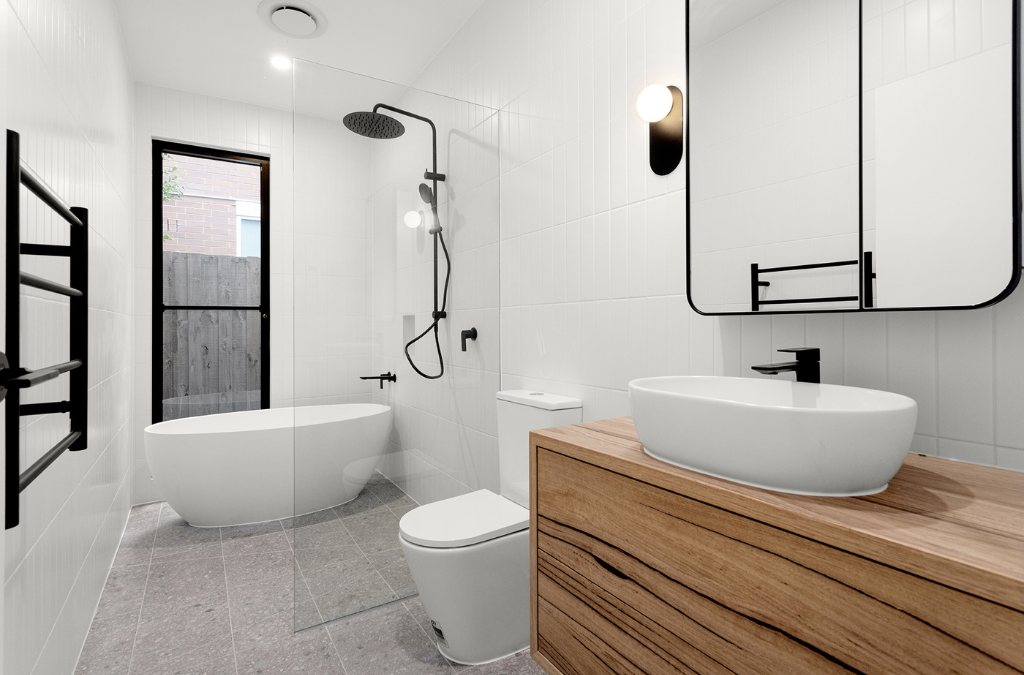
Good bathroom design goes beyond choosing fixtures and finishes. Layout planning is essential to ensure the space feels comfortable and practical, with sufficient clearance around key elements such as showers, vanities, and toilets.
Natural light and ventilation play a major role in comfort and long-term durability. Where windows are not possible, mechanical ventilation becomes especially important. Storage should also be considered early, as overlooking it often leads to cluttered benches and reduced functionality.
A well-designed bathroom should always integrate seamlessly with the rest of the home, both visually and practically for comfortable, day-to-day use.
Timeline, budget & disruption
Adding a bathroom involves multiple stages, and timelines can vary depending on:
- Complexity
- Approvals
- And build conditions.
Homeowners should be prepared for a phased process rather than a single continuous build stage.
As for budgeting, you should account not only for construction, but also for design, documentation, permits, consultants, and fixtures – there’s a lot to think about! It’s also wise to allow for contingencies, as unforeseen issues can arise once existing structures are opened up.
Understanding the likely disruption to daily living up front will help you set realistic expectations for the project, and reduce stress during the build.
Common mistakes to avoid when Adding A Bathroom
Adding a bathroom is a major upgrade, and avoiding these common pitfalls can save time, money and long-term frustration.
1. Trying to squeeze a bathroom into a space that’s too small
Poor layout and limited clearance can make the bathroom uncomfortable to use and frustrating long term.
2. Choosing a location far from existing plumbing services
This can significantly increase costs due to additional plumbing, drainage and structural work.
3. Underestimating waterproofing, ventilation and drainage requirements
Inadequate attention to these essentials often leads to water damage, mould and expensive rectification work.
4. Prioritising aesthetics over practicality
Overlooking storage, power points, and everyday usability in favour of looks alone can limit functionality.
5. Starting construction without fully resolved plans and approvals
This commonly results in delays, design changes and avoidable budget overruns.
What to expect during the build
The construction process typically begins with demolition and preparation of the existing area. Structural work may follow, including:
- Framing
- Installation of windows
- Changes to walls and floors where required.
Plumbing and electrical services are then roughed in, before sheeting, waterproofing, and mandatory inspections take place. Once approved, tiling, painting, and fit-off of fixtures and fittings are completed, including items such as shower screens, mirrors, and accessories.
The final stage involves checks, certification, and handover, ensuring everything complies with regulations and is ready for use.
Choosing the right professionals
It’s important to realise that adding a bathroom requires coordination between multiple disciplines. RFT Solutions provides:
- Concept and detailed bathroom extension design
- Drafting and documentation
- Coordination of engineering and other consultants
- And management of building and, where required, planning permit applications.
We also guide clients through builder selection and tendering – helping ensure the right professionals are engaged and costs are managed effectively from start to finish.
FAQs about adding a bathroom to your home
Homeowners often have questions about costs, approvals, timelines, and design options. Addressing these early with experienced professionals can help avoid confusion and ensure the project runs smoothly.
Do I need a council or building permits to add a bathroom?
In most cases, a building permit is required, and depending on the scope and location, a planning permit may also be needed. Requirements vary between Melbourne councils, so getting advice early helps avoid delays.
How much does it cost to add a bathroom to a house?
Costs vary depending on size, location, fittings and how close the bathroom is to existing plumbing. Converting an existing space is usually more affordable than building new, but proper design is needed for accurate costing.
Where is the best location to add a bathroom?
Bathrooms are most cost-effective when located near existing plumbing and drainage. Popular options include ensuites, laundry conversions, or rear extensions, with the final choice balancing layout, budget and practicality.
How long does it take to add a bathroom?
Timeframes depend on design complexity, approvals and construction scope. While the build itself may be relatively short, planning, permits and documentation often make up a significant part of the overall timeline.
Can I add a bathroom to an older or period home?
Yes, though older and period homes require more careful planning. Structural conditions, existing services and council controls must be considered to ensure the new bathroom integrates well with the home.
Will adding a bathroom increase my home’s value?
Often, yes. An additional bathroom can improve resale appeal, particularly for family homes. The value added depends on design quality, functionality and how well the space integrates with the rest of the house.
What are the most common mistakes when adding a bathroom?
Common issues include poor sizing, locating the bathroom far from services, underestimating waterproofing and ventilation, and starting work without fully resolved plans and approvals.
Who should manage the design and approvals process?
Experienced building designers can manage design, documentation and approvals, helping prevent delays, cost overruns and compliance issues during construction.
Adding a bathroom to a house: Simplify with expert help
Embarking on the ambitious challenge of adding a bathroom to your house is no small feat, with all those various factors like cost, design and legalities to navigate a course through. But you don’t need to navigate these choppy waters alone.
RFT Solutions offers a one-stop-shop service that takes care of every aspect of your bathroom addition, from initial design to final touches and beyond. By choosing Melbourne’s premier experts, you ensure a hassle-free experience, quality and guaranteed workmanship, and a bathroom that not only meets but exceeds your expectations. Ready to transform your home? Contact the friendly team at RFT Solutions today and step into the unexpected ease of professional bathroom addition.
Related posts:
 A 9-Step Journey Through Melbourne’s Main House Styles
 Second Storey Extensions Melbourne: Adding A Second Storey To A House
 Adding A Room To Your House: A Complete Guide (Infographic)
 Adding A Basement In Melbourne: Construction & Design Guide
 6 Tips For Your Victorian Terrace House Extension
 Planning & Building Permits For House Extensions Explained