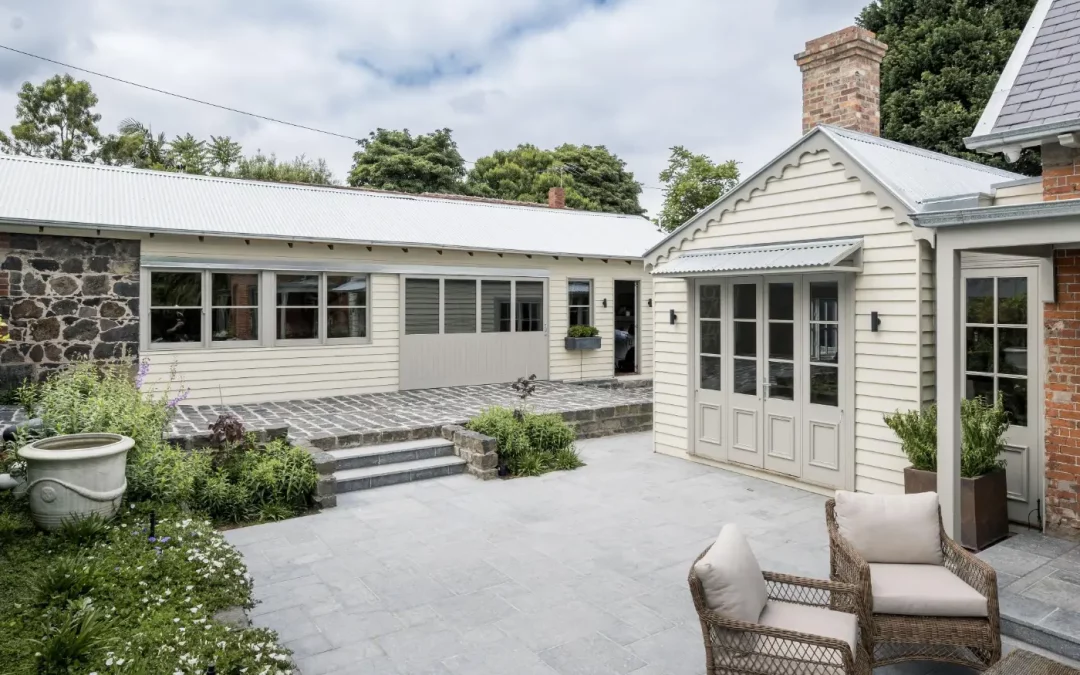
If you’re scratching your head weighing up granny flats vs extensions, you’re most certainly not alone. More homeowners than ever are stuck between building out or building something separate.
What sums you up best?:
- Housing adult children who need more space?
- Have ageing parents who need to be closer?
- Or just planning for long-term flexibility?
Truth be told, both options – an extension or a granny flat – can work brilliantly. But both can also be the wrong choice if they don’t suit your block, budget, or lifestyle. In our guide, we’ll break down extensions vs granny flats in a practical, no-nonsense way, helping you decide which path makes the most sense for your circumstances.
First, what’s the difference?
Before getting into comparing the two options, it helps to be clear on the granny flat meaning in a planning sense.
- A granny flat is typically a self-contained secondary dwelling with its own kitchen, bathroom, living space and (often) separate entrance.
- An extension, on the other hand, expands your existing home – adding bedrooms, living areas, or entire new zones under the same roof.
And it’s not just about structure – it’s more about how you want to live.
1. Who is the space actually for?
This is the starting point most people skip – and regret later.
A granny flat extension often suits:
- Adult children who want independence but aren’t ready to move far away
- Elderly parents who need privacy and proximity
- Guests or future rental income.
On the other hand, a traditional extension tends to suit:
- Growing families who still live together
- Parents want larger shared living areas
- Households that don’t need separation.
If independence is the priority, a granny flat vs extension usually leans toward the former. But if togetherness matters more, an extension can be the real winner.
2. How much separation do you actually want?
This sounds simple – but it’s one of the biggest deal-breakers, and it can be hard to get your head around.
With extensions vs granny flats, ask yourself:
- Do you want or need separate kitchens?
- Separate entrances?
- Separate noise, routines, and privacy?
Remember, a granny flat gives genuine autonomy. But an extension keeps everyone under one roof. Neither is ‘better’ – but choosing the wrong one can create friction … that ends up being daily. It’s not something you want to get wrong just because you didn’t give it enough thought.
3. Your block size & layout matter more than you think
It’s important to realise that not every property suits both options.
A granny flat extension generally requires:
- Enough land for setbacks and access
- Clear council allowances
- Thoughtful placement for light and privacy.
Extensions, especially second-storey ones, can work on tighter blocks – but may involve the need for structural upgrades.
This is exactly where timely, expert design advice can prevent expensive dead ends down the road.
4. Budget – Upfront cost VS long-term value
While we’re comparing granny flats vs extensions, bear in mind that budget isn’t just about build cost. What do we mean?
Extensions may:
- Be cheaper upfront
- Integrate better with existing services
- Add immediate liveability.
While granny flats can:
- Cost more initially
- Offer future rental income
- Increase flexibility and resale appeal.
So you can see that neither option is automatically ‘cheaper’ – at the end of the day, it just depends on design, services, and approvals.
5. Planning rules & permits can tip the scales
It’s important not to get caught out on this one – because so many homeowners do.
A granny flat vs extension decision can be made for you by:
- Local planning overlays
- Site coverage limits
- Parking requirements
- Heritage or neighbourhood character controls.
In some suburbs, extensions are quite a bit easier to get approved. While in others, granny flats are more straightforward. Knowing this early, and doing plenty of homework as you make your decision, often saves months (even years) of frustration.
6. How will this space be used in 5-10 years?
On this topic, we’re often asked to name one thing that matters more than any other – so here it is:
“Future-proofing.”
Make sure to very honestly ask yourself:
- Will the kids move out eventually?
- Will parents need more care later?
- Could this space become rental income?
- Does resale matter?
Granny flats are great for flexibility, while extensions offer cohesion. So there’s no right answer. The right answer for you – and only you – depends on how long you plan to stay, and how your family might change.
7. Lifestyle impact – Day-to-day living counts
It’s easy to focus hardest on the practical planning elements like floor plans, and forget what matters most at the end of the day – what your life will be like each and every day.
Don’t forget, extensions affect:
- Shared kitchens
- Noise
- Heating and cooling
- Family dynamics.
On the other hand, granny flats are more about:
- Privacy
- Boundaries
- Maintenance responsibilities
- Separate utilities.
Choosing wisely here can matter a whole lot more than square metres.
8. What adds more value to your home?
Unfortunately, on this question, there’s no universal answer.
While it’s true that some markets favour integrated family homes, others value separate dwellings to a higher degree. The key is all about designing appropriately – and not overcapitalising or underbuilding.
And it’s where professional design and cost planning make the biggest difference of all.
So … Granny flat or extension?
You just want to know, don’t you? Unfortunately, there’s no one-size-fits-all answer to the question of extension vs granny flat. The right choice always depends on:
- Who the space is for
- How independent they need to be
- Your block and council rules
- Budget and future plans.
What matters most of all is making the decision before all those expensive drawings and builders quotes lock you into what turns out to be the wrong path altogether.
Need help choosing the right option?
Still weighing up granny flats vs extensions and just want clarity before committing? Professional design advice can save you tens of thousands – and years of frustration.
Luckily, the team at RFT Solutions helps homeowners just like you:
- Assess their options
- Navigate building permits
- And design spaces that actually work long-term.
Enquire today to get expert guidance tailored to your home, block, and goals. Give RFT Solutions a shout today.
Related posts:
 Second Storey Extensions Melbourne: Adding A Second Storey To A House
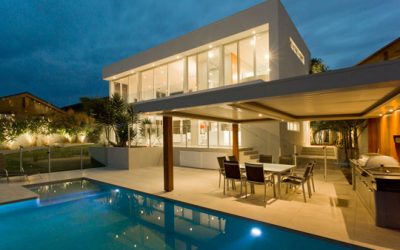 Outdoor Room Extensions In Melbourne – Extend Your Living Space!
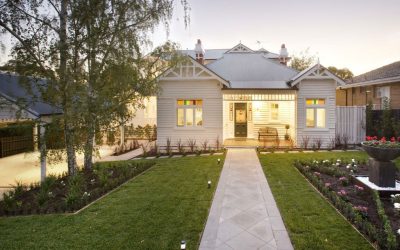 6 Considerations For Period Home Renovations & Extensions In Melbourne
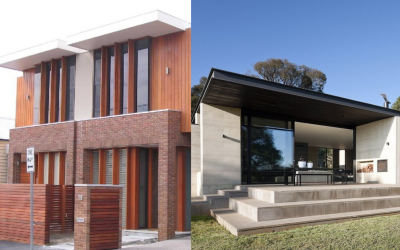 One-storey VS Two-storey House Extensions: All The Pros And Cons
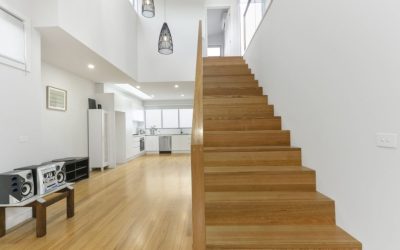 Top 12 Staircase Types & Styles For Home Extensions
 Planning & Building Permits For House Extensions Explained